Tin vs. Stainless Steel vs. Silver: Choosing the Right Lining
Understanding copper cookware lining materials is essential for safety, performance, and longevity. This comprehensive guide explores the pros and cons of tin, stainless steel, and silver linings to help you make an informed decision.
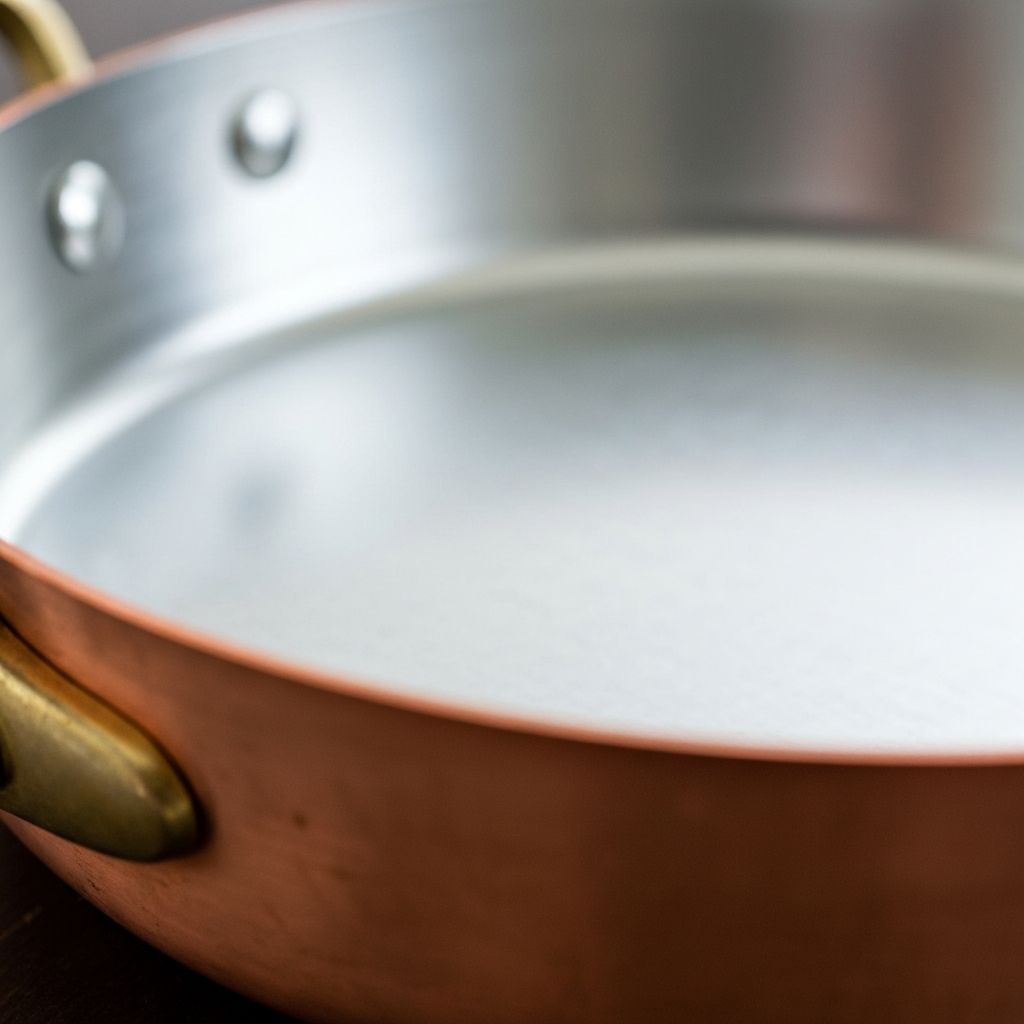
Tin Lining: The Classic French Standard
Tin has been the gold standard for lining copper cookware for over 300 years. French chefs have long preferred tin-lined copper for its superior cooking properties and naturally non-stick surface. When properly maintained, tin provides an exceptional cooking experience that many professionals refuse to compromise on.
The tin lining creates a smooth, silvery-white surface that is naturally non-stick when properly seasoned. It's especially prized for delicate foods like fish, eggs, and sauces that benefit from gentle heat distribution and minimal sticking. However, tin has a critical limitation: it melts at approximately 450°F (232°C), which means it cannot be used for high-heat searing or left empty on a hot burner.
Advantages of Tin Lining
Limitations of Tin Lining
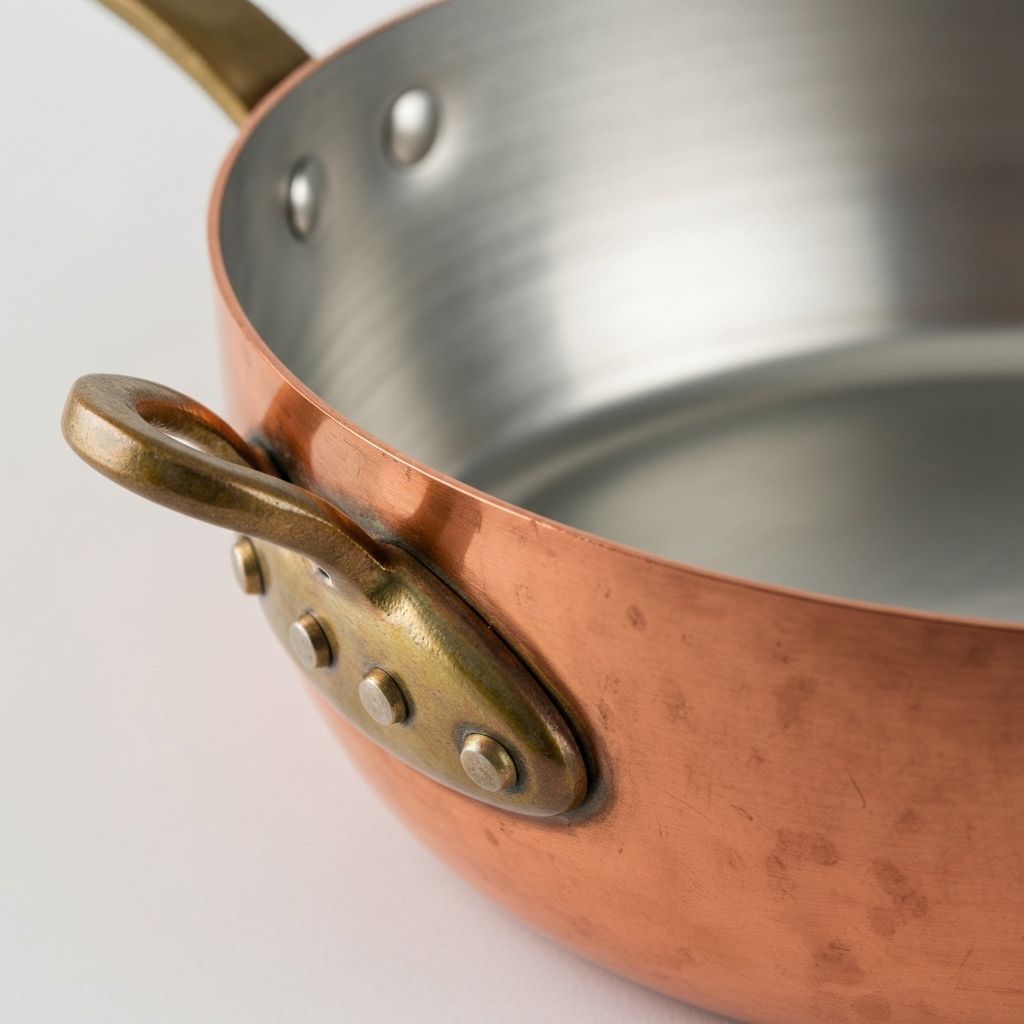
About Retinning Copper Cookware
Retinning is the process of applying a new layer of tin to worn copper cookware. Professional retinning services can restore your pans to like-new condition. The frequency depends on cooking habits—heavy use may require retinning every 10-15 years, while occasional use can extend this to 30+ years.
Popular retinning services include Rocky Mountain Retinning, East Coast Tinning, and artisan craftsmen who specialize in traditional hot-tinning methods.
Explore Tin-Lined Copper Cookware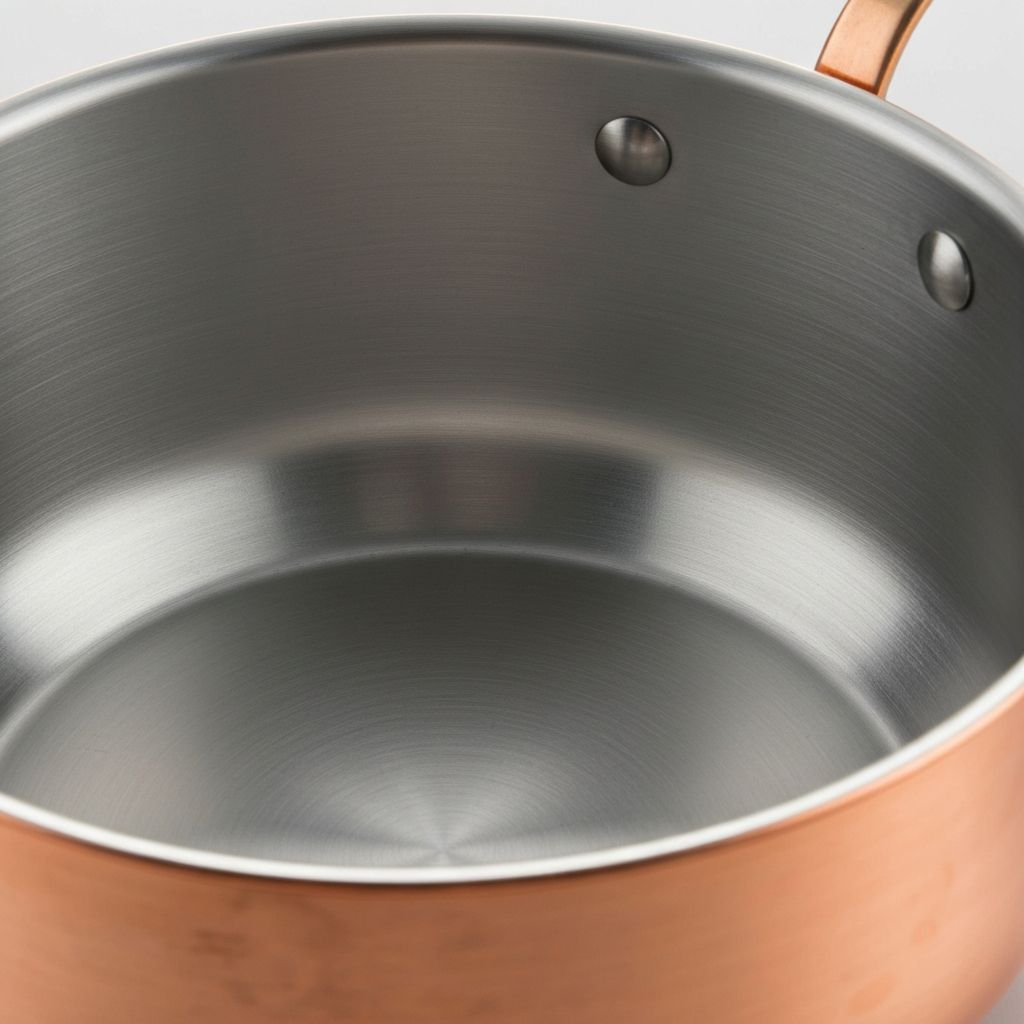
Modern Brands Using Stainless Steel
Falk Culinair is the most renowned manufacturer of stainless-lined copper cookware, using a bimetal construction that bonds copper to 18/10 stainless steel. Other brands like Hestan CopperBond and some Mauviel lines also offer stainless steel linings for durability-focused cooks.
Stainless Steel Lining: Durable and Permanent
Stainless steel lining represents the modern approach to copper cookware. Introduced in the late 20th century, stainless-lined copper solves the temperature limitation of tin while maintaining most of copper's superior heat conductivity. It's the choice for cooks who want a truly permanent, no-maintenance interior.
The stainless steel lining is typically made from 18/10 surgical-grade stainless steel, bonded to the copper through a high-pressure process. This creates a durable, non-reactive surface that can withstand any temperature, metal utensils, and even dishwasher cleaning (though hand washing is still recommended to preserve the copper exterior).
Advantages of Stainless Steel Lining
Limitations of Stainless Steel Lining
Silver Lining: The Pinnacle of Performance
Silver lining represents the absolute pinnacle of copper cookware technology. Silver is the most thermally conductive metal on Earth—even better than copper—making silver-lined copper cookware the ultimate choice for chefs who demand perfection. However, this luxury comes at a significant cost premium.
Silver-lined copper combines the best properties of both metals: copper's excellent heat distribution with silver's superior conductivity and natural antimicrobial properties. Historically used by European royalty and elite restaurants, silver-lined copper is now extremely rare and produced only by specialized artisans like Duparquet (France) and Soy Turkiye (Turkey).
Advantages of Silver Lining
Limitations of Silver Lining
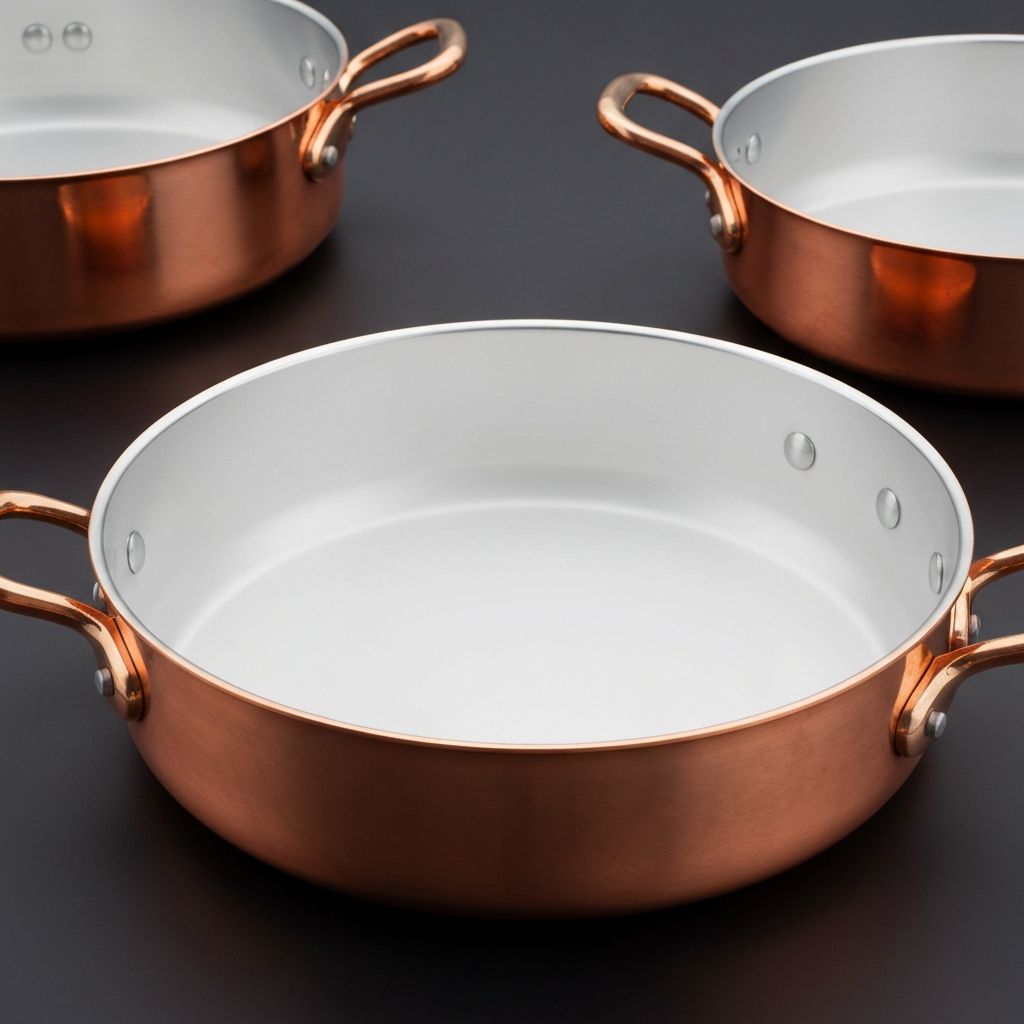
Who Makes Silver-Lined Copper?
Silver-lined copper cookware is exceptionally rare in 2026. The most notable producers include:
- Duparquet: French artisan workshop specializing in museum-quality copper with silver linings
- Soy Turkiye: Turkish manufacturer producing silver-lined copper using traditional methods
- Custom Artisans: Individual coppersmiths who offer bespoke silver-lining services
Due to the cost of silver and specialized craftsmanship required, these pieces are typically commissioned directly from manufacturers rather than found in retail stores.
Bare Copper: Only for Sugar Work and Preserves
IMPORTANT SAFETY WARNING: Unlined bare copper cookware should ONLY be used for sugar work, jam making, and candy making. Cooking acidic or savory foods in bare copper can cause dangerous copper toxicity.
Why Bare Copper Is Dangerous for Most Cooking
When copper comes into contact with acidic foods (tomatoes, citrus, wine, vinegar), it can leach copper ions into your food. While trace amounts of copper are essential for health, consuming too much can cause copper toxicity, leading to nausea, vomiting, and in severe cases, liver damage.
This is why virtually all copper cookware designed for everyday cooking must have a food-safe lining (tin, stainless steel, or silver). The only exception is sugar work, where the high-sugar, low-acid environment prevents copper leaching.
Safe Uses for Bare Copper
- Sugar Work: Making caramel, toffee, and hard candy
- Jam and Preserves: High-sugar fruit preserves and marmalades
- Egg Whites: Whipping egg whites (copper stabilizes the foam)
Never Use Bare Copper For:
- Acidic foods (tomatoes, vinegar, citrus, wine)
- Savory cooking (meats, vegetables, sauces)
- Soups and stews
- Any food stored for more than a few hours
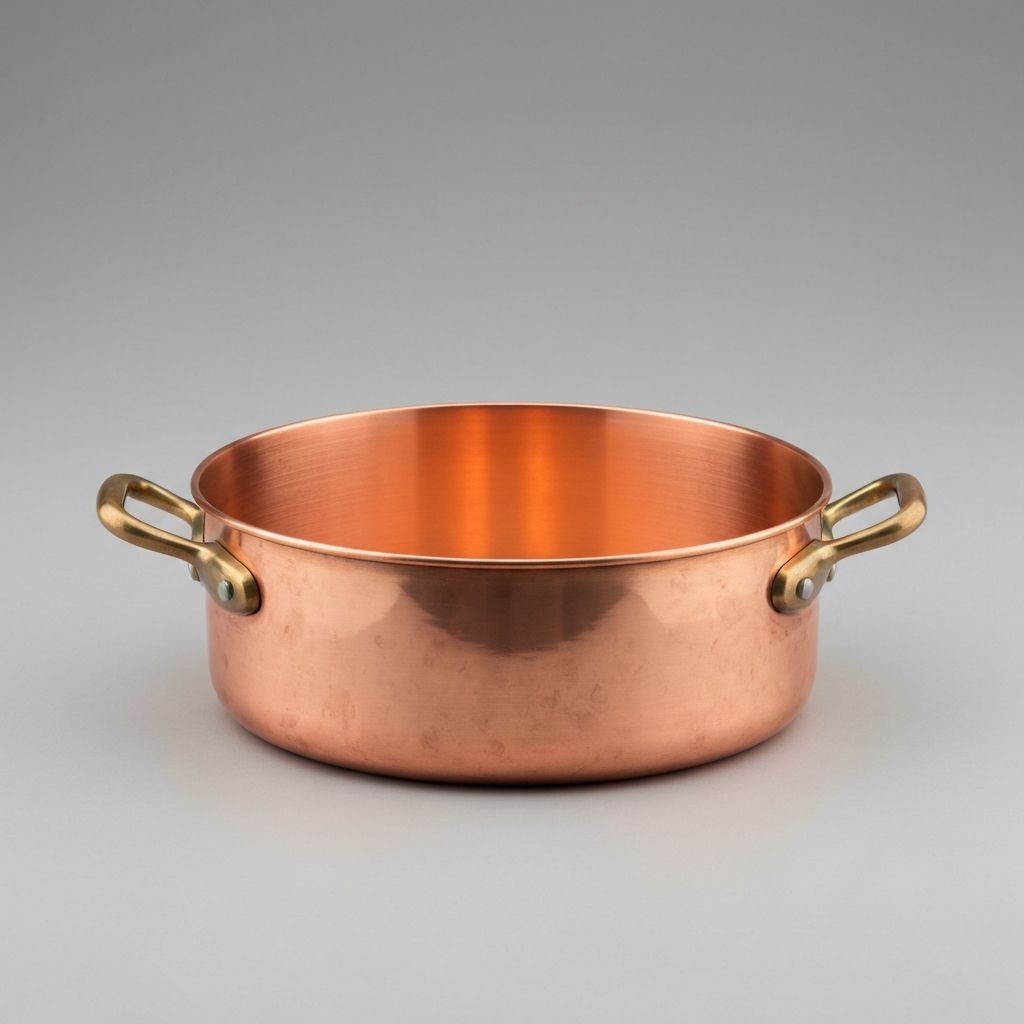
Why Chefs Use Copper for Sugar Work
Despite the limitations, bare copper is legendary for sugar work and jam making. Copper's exceptional heat distribution ensures even caramelization without hot spots, reducing the risk of burning. Additionally, copper bowls stabilize egg white foam better than any other material due to a chemical reaction between copper ions and egg proteins.
Traditional French confiserie (candy makers) and jam producers still prefer unlined copper pans for these specific applications. Brands like Mauviel and Matfer Bourgeat produce specialized preserving pans (bassines à confiture) in bare copper.
Shop Copper Preserving PansCopper Lining Materials: Complete Comparison
Compare all four lining options side-by-side to choose the right copper cookware for your cooking style and safety needs.
| Feature | Tin Lining | Stainless Steel | Silver Lining | Bare Copper |
|---|---|---|---|---|
| Maximum Temperature | 450°F (232°C) | No Limit | 1,763°F (961°C) | No Limit |
| Non-Stick Properties | ||||
| Durability | Good (needs retinning) | Excellent (permanent) | Very Good (may need re-silvering) | N/A (special use only) |
| Maintenance | Moderate | Low | Moderate | High (careful use only) |
| Food Safety | ||||
| Thermal Conductivity | Excellent | Very Good | Outstanding (best) | Excellent |
| Metal Utensils Safe | ||||
| Best For | Traditional cooking, fish, sauces | High-heat, searing, durability | Ultimate performance, collectors | Sugar work, jam only |
| Notable Brands | Mauviel, Ruffoni | Falk, Hestan | Duparquet, Soy Turkiye | Mauviel (preserving pans) |
Is Copper Cookware Safe? Understanding Lined vs Unlined Copper
The short answer: Yes, lined copper cookware is completely safe. Unlined copper is only safe for specific applications.
Lined Copper (Safe for All Cooking)
Copper cookware lined with tin, stainless steel, or silver creates a food-safe barrier that prevents copper from leaching into your food. These linings have been used safely for centuries.
- No risk of copper toxicity
- Safe for all foods including acidic ingredients
- Approved by food safety authorities worldwide
Unlined Copper (Special Use Only)
Bare copper should only be used for sugar work, jam making, and whipping egg whites. Using unlined copper for acidic or savory foods can cause dangerous copper leaching.
- Risk of copper toxicity with acidic foods
- Never use for savory cooking or soups
- Only for high-sugar applications
How to Identify If Your Copper Cookware Is Safe
Check the Interior Color
Tin is silvery-white, stainless steel is metallic gray, silver is bright white. Copper is reddish-pink.
Read Product Labels
Reputable manufacturers clearly state the lining material (tin-lined, stainless-lined, etc.)
Know the Purpose
If it's sold as a "preserving pan" or "sugar pot," it's likely bare copper for special use only.